About Atelier Yoanna W.W. & Ramses Wissa Wassef
"human freedom never has as much meaning and value as when it allows the creative power of the child to come into action. All children are endowed with a creative power which includes an astonishing variety of potentials which is necessary for the child to build up his own existence” R.W.W

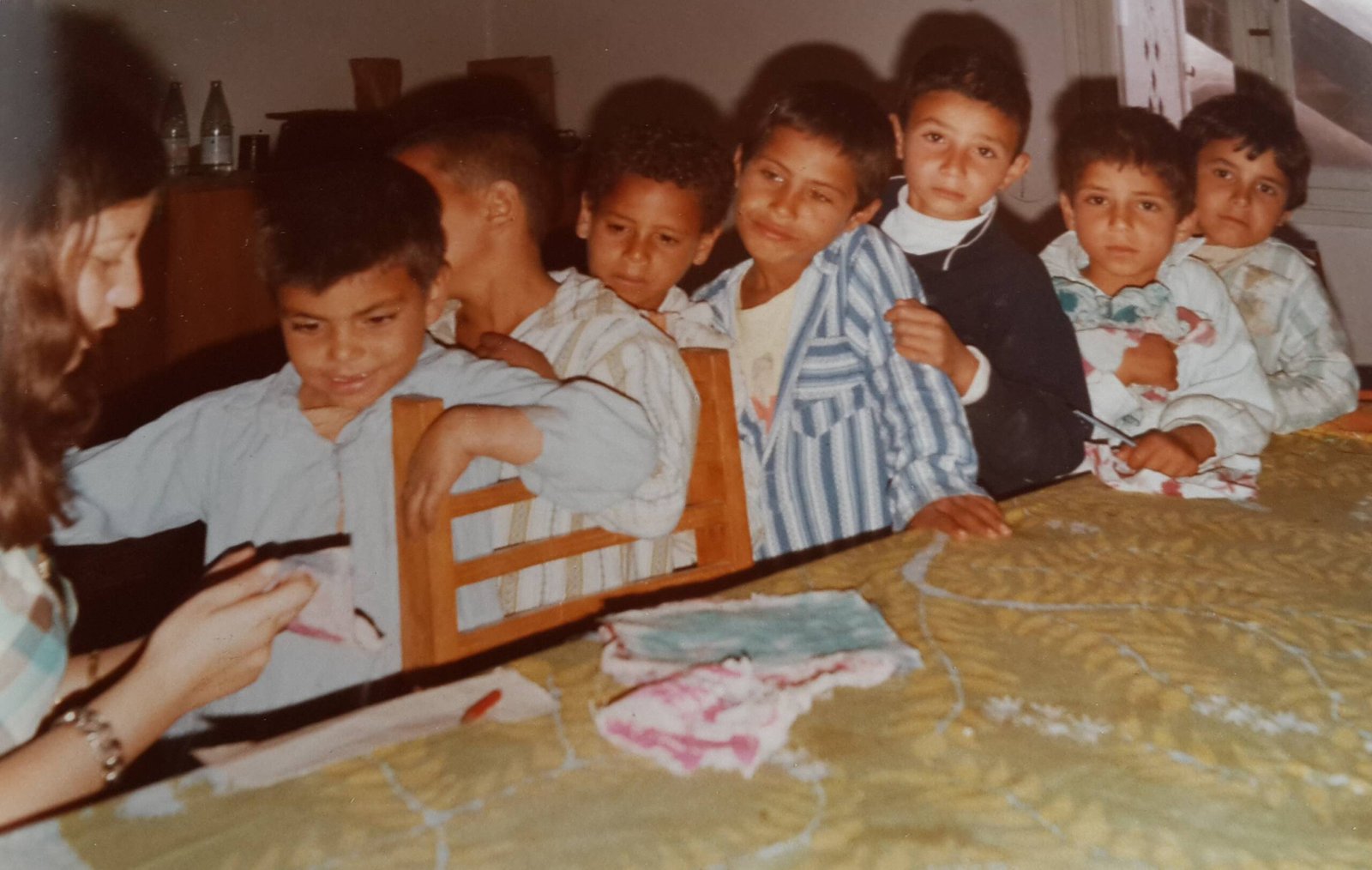
The Ramses Wissa Wassef Centre was founded in Harrania village, Giza- Egypt, in 1952 with one aim in mind- to prove that every human being is born with the ability to be creative . This has to happen through practicing a craft at a very young age ,& be given enough time & confidence to express their feelings and imagination freely.
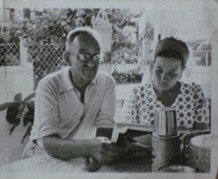
The founder Ramses Wissa Wassef (1911-1974)
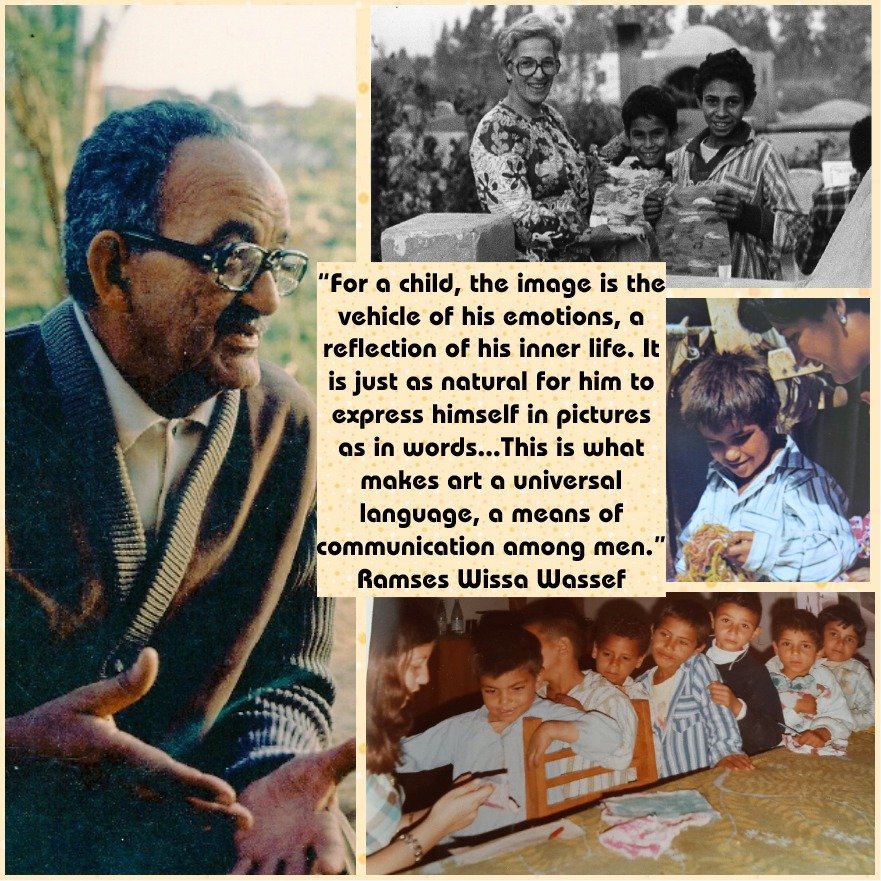
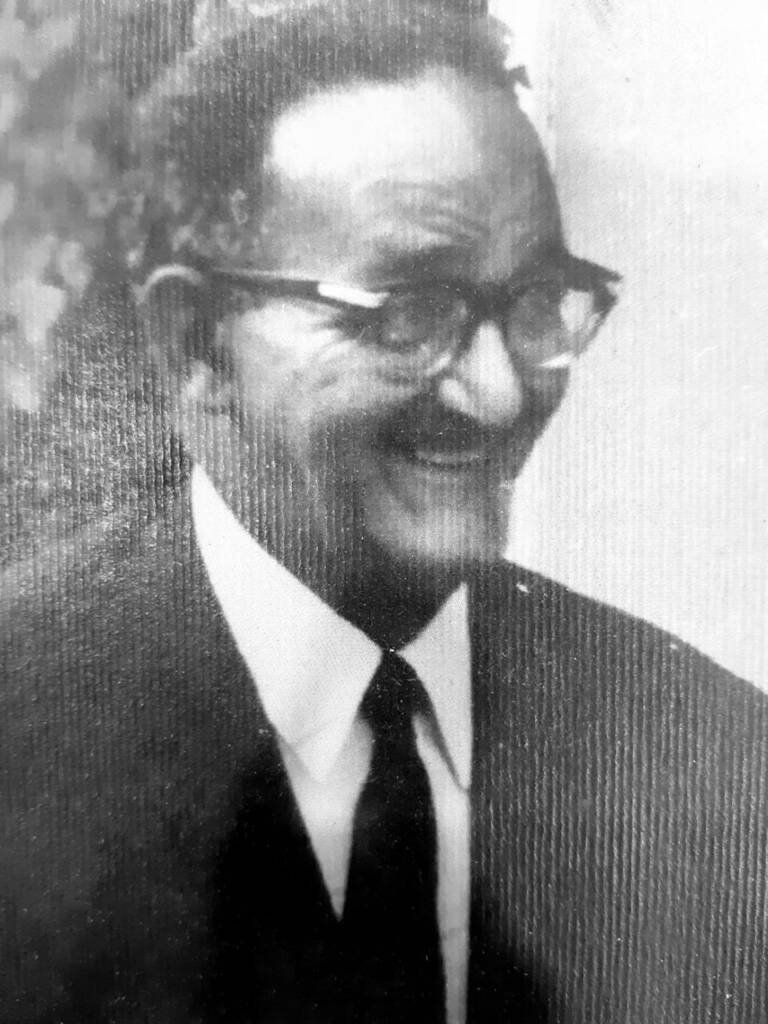
The founder, Ramses Wissa Wassef, was an Egyptian architect, artist & Pedagogue who was driven by his belief that every human being possesses an inner power of creativity which, if discovered and developed through the practice of a craft, could become a way to help under-privileged children make a better life for themselves using their own creative abilities.
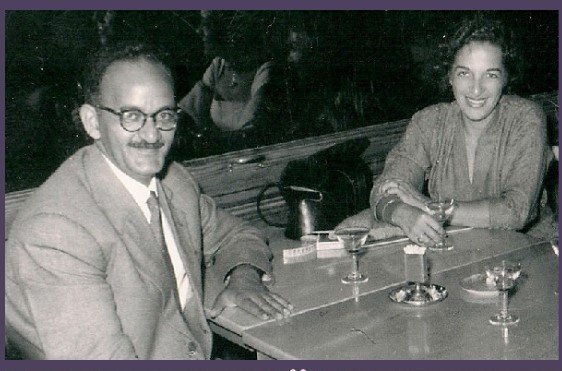
To prove this belief, Ramses Wissa Wassef, with his wife Sophie Gorgi's partnership, introduced a variety of crafts to the under privileged children of Harrania. Such as, weaving, batik art, ceramics, coloured glass, writing stories, building mud brick buildings and many other forms of art.
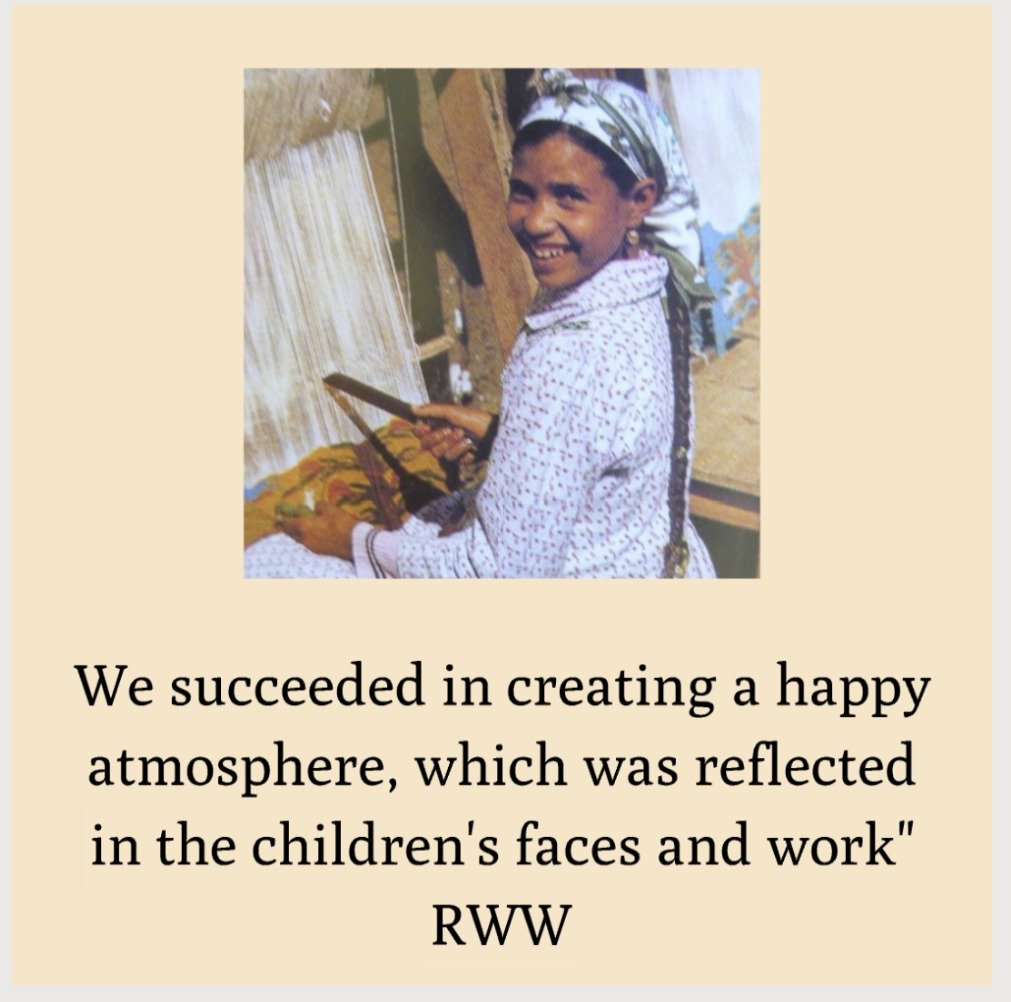
The aim was to help these children grow up with enough confidence in their abilities as creative beings to provide for their future, through their own inherent powers of creativity and skills. This was achieved through the practice of their chosen medium.
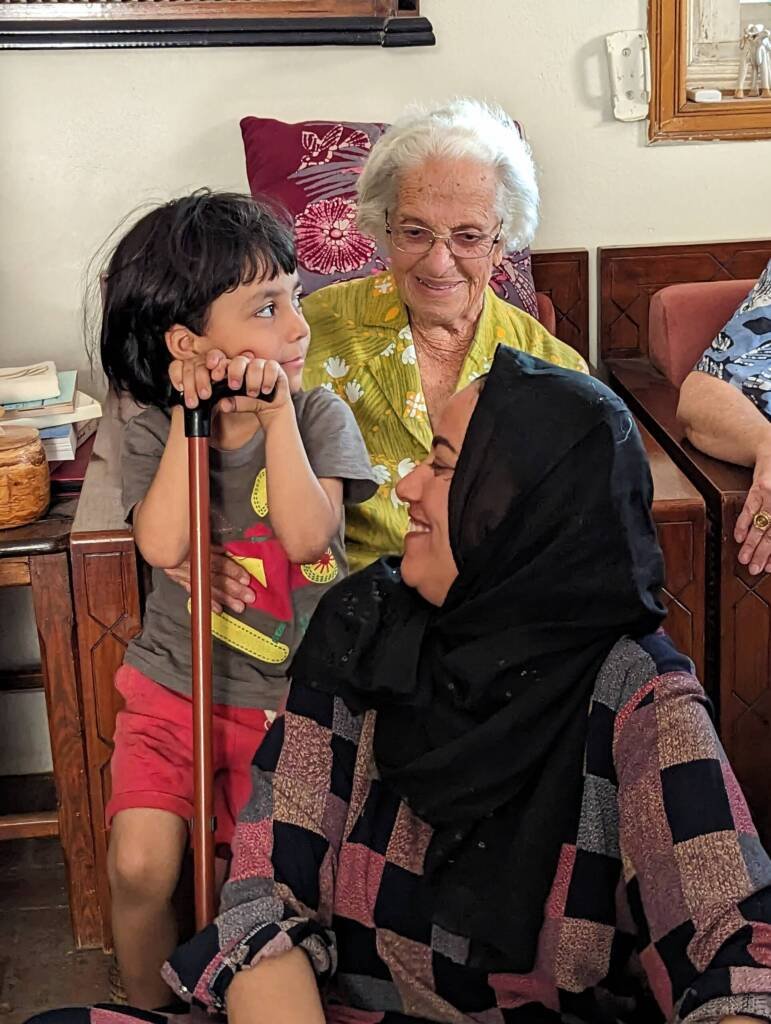
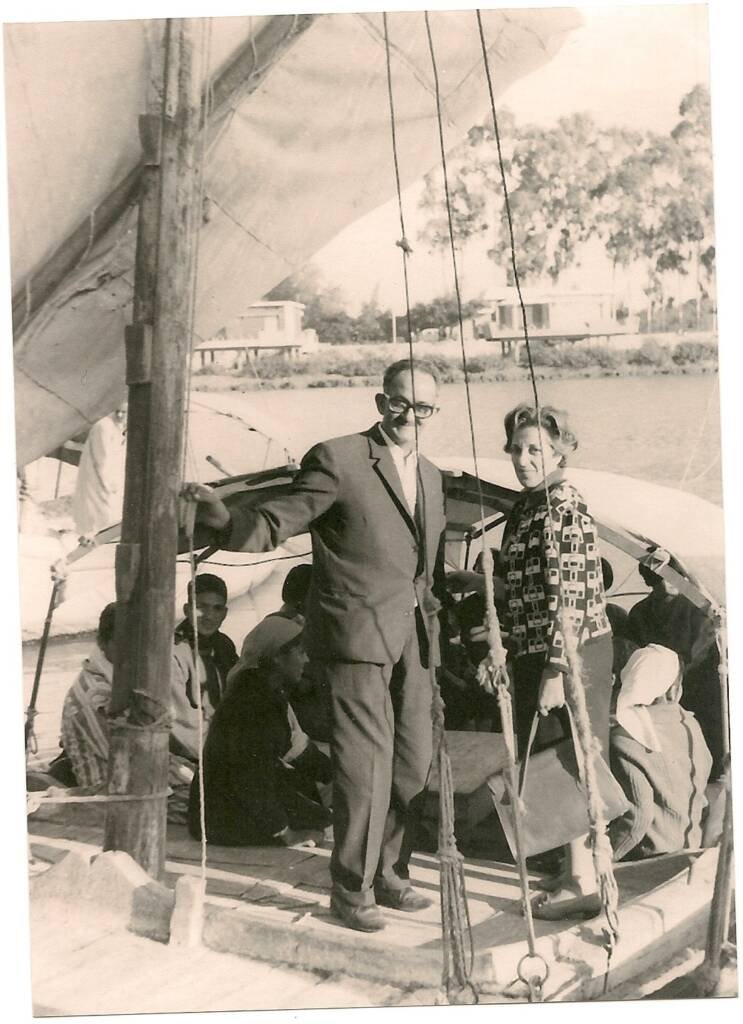
Through this initiative Ramses and his wife, Sophie Gorgi, were able to change the Harrania villagers’ attitudes towards issues such as schooling, the rights of women to work and other concerns affecting their quality of life.
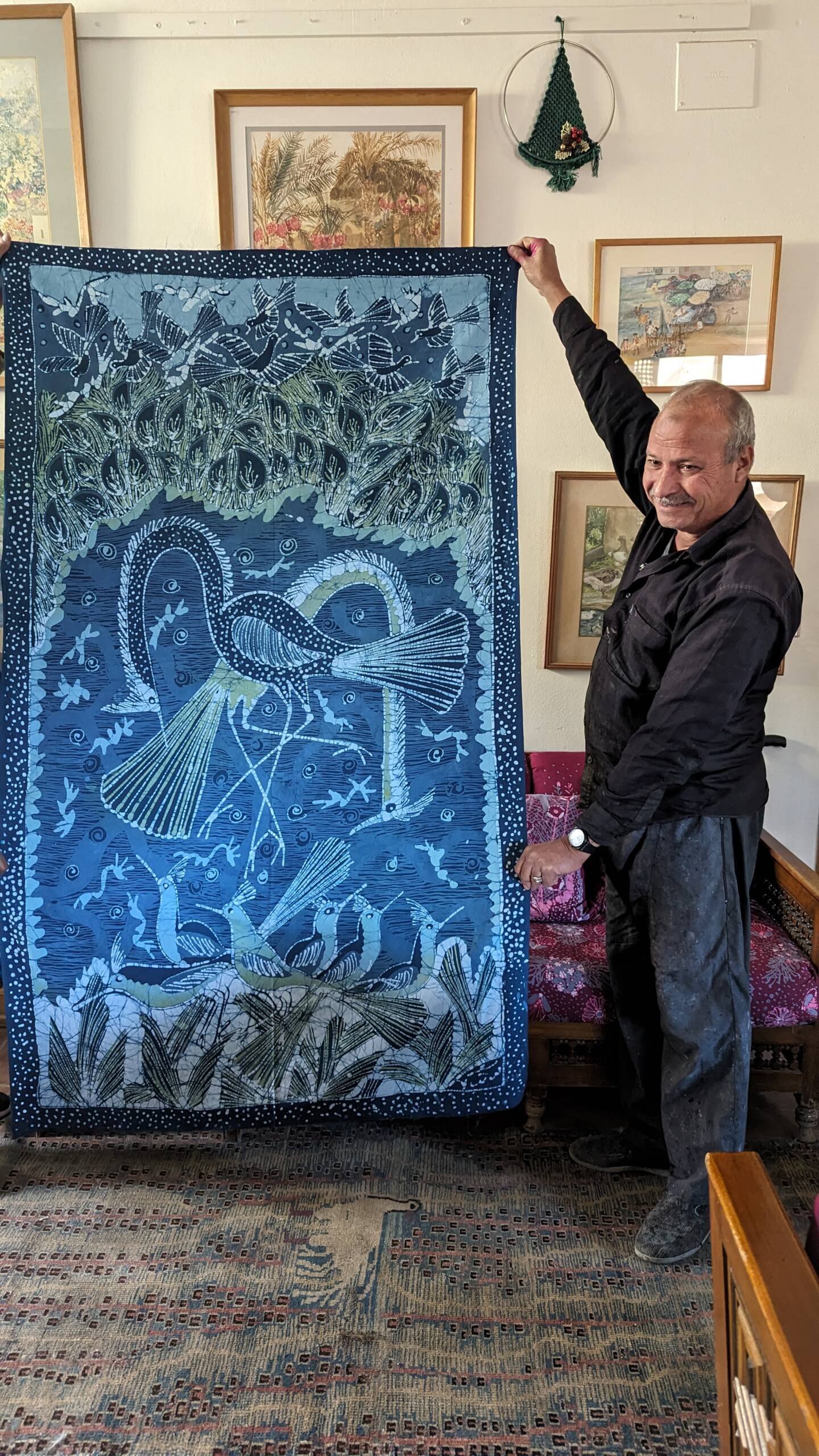
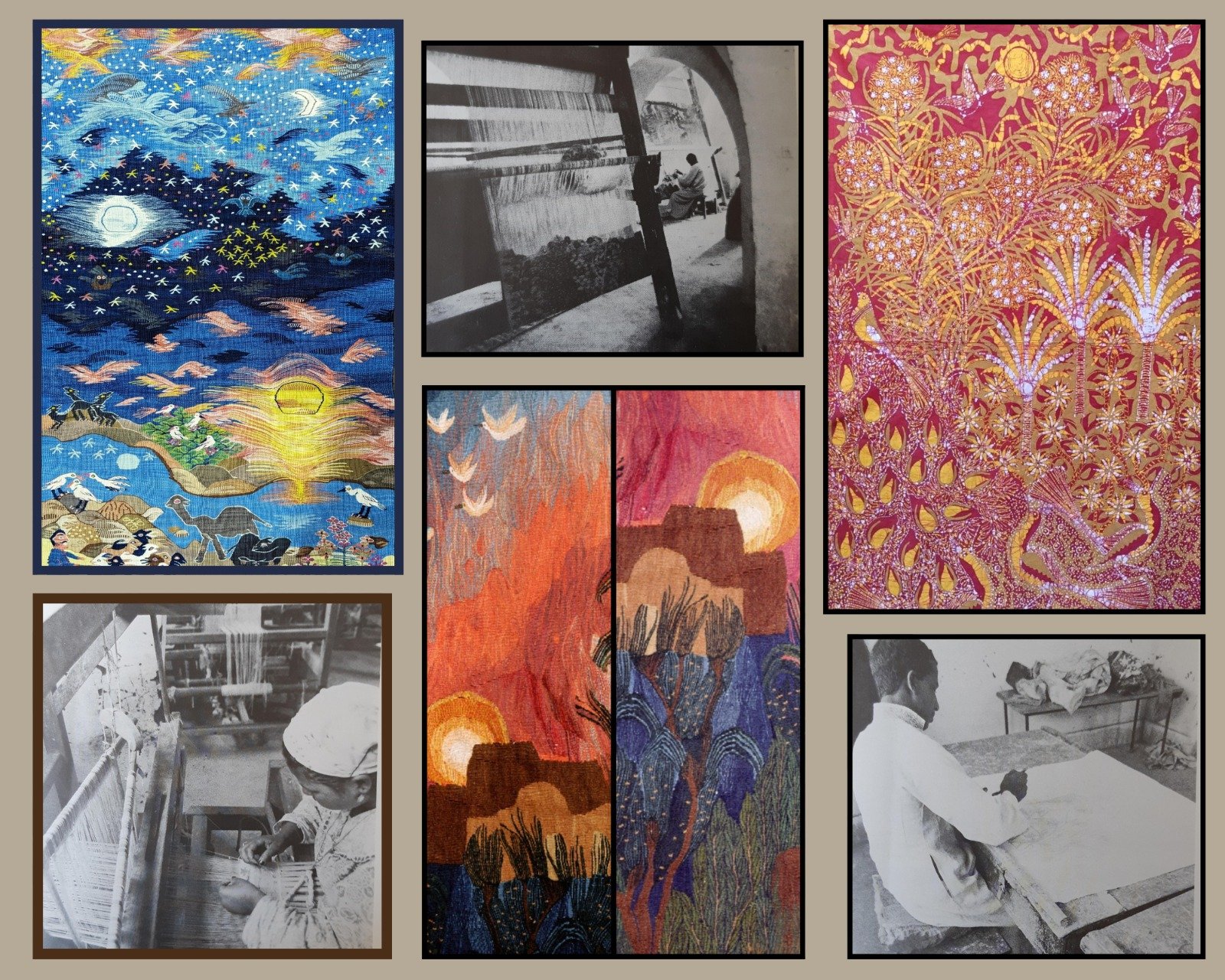
The center has become home to a unique experiment in Batik art, tapestry weaving and Ceramics that has produced works admired and collected by museums around the world.
Museums that acquired RWW artworks are:
- Victoria & Albert Museum, London
– The Metropolitan Museum, USA
- Roemer Pelizaeus museum, Germany
– The Vatican Church, Rome
- Muses Jean Lurçat.
L’Egypte Tissee in Angers, France, had a room dedicated to R.W.W’s work
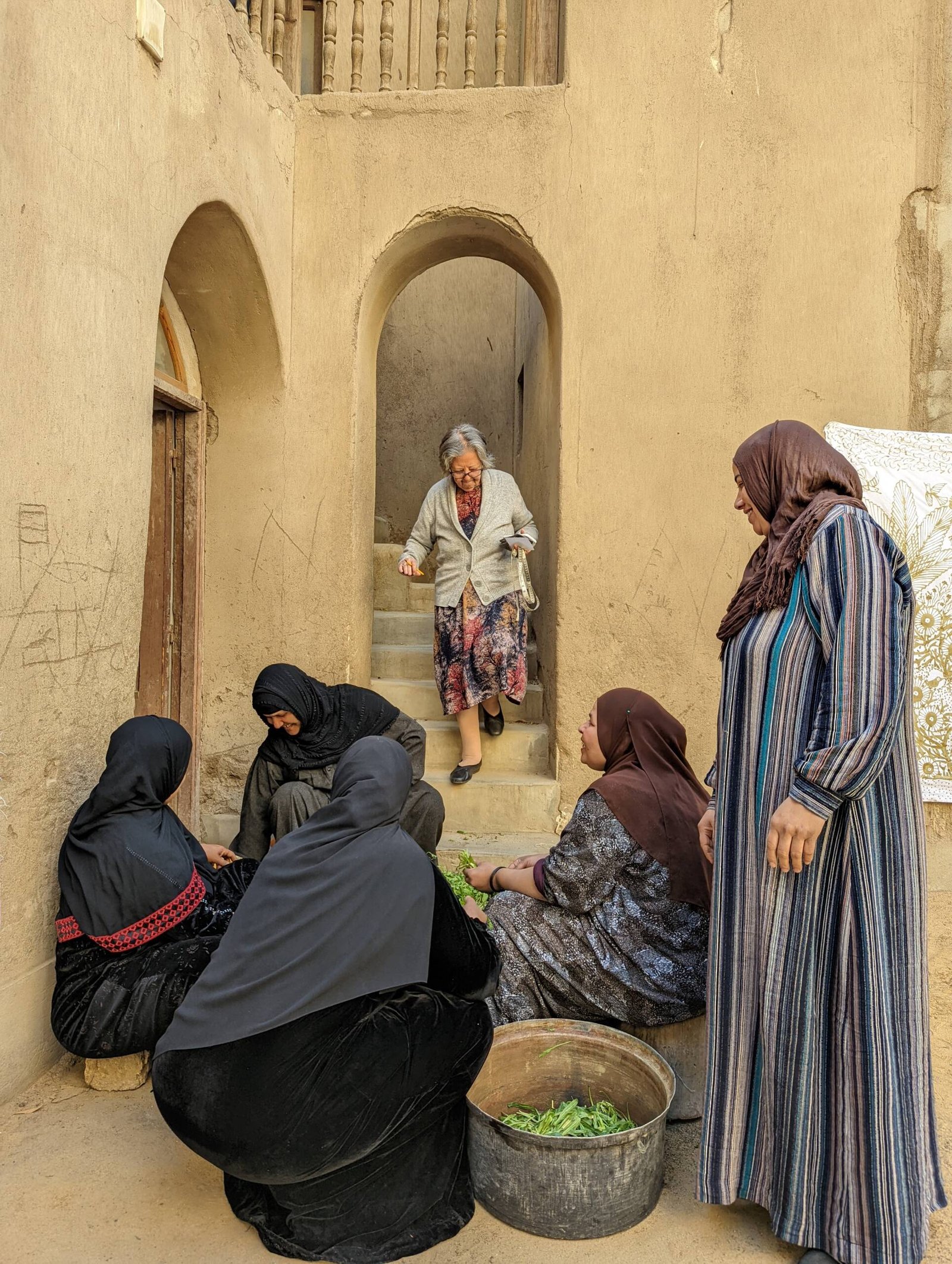
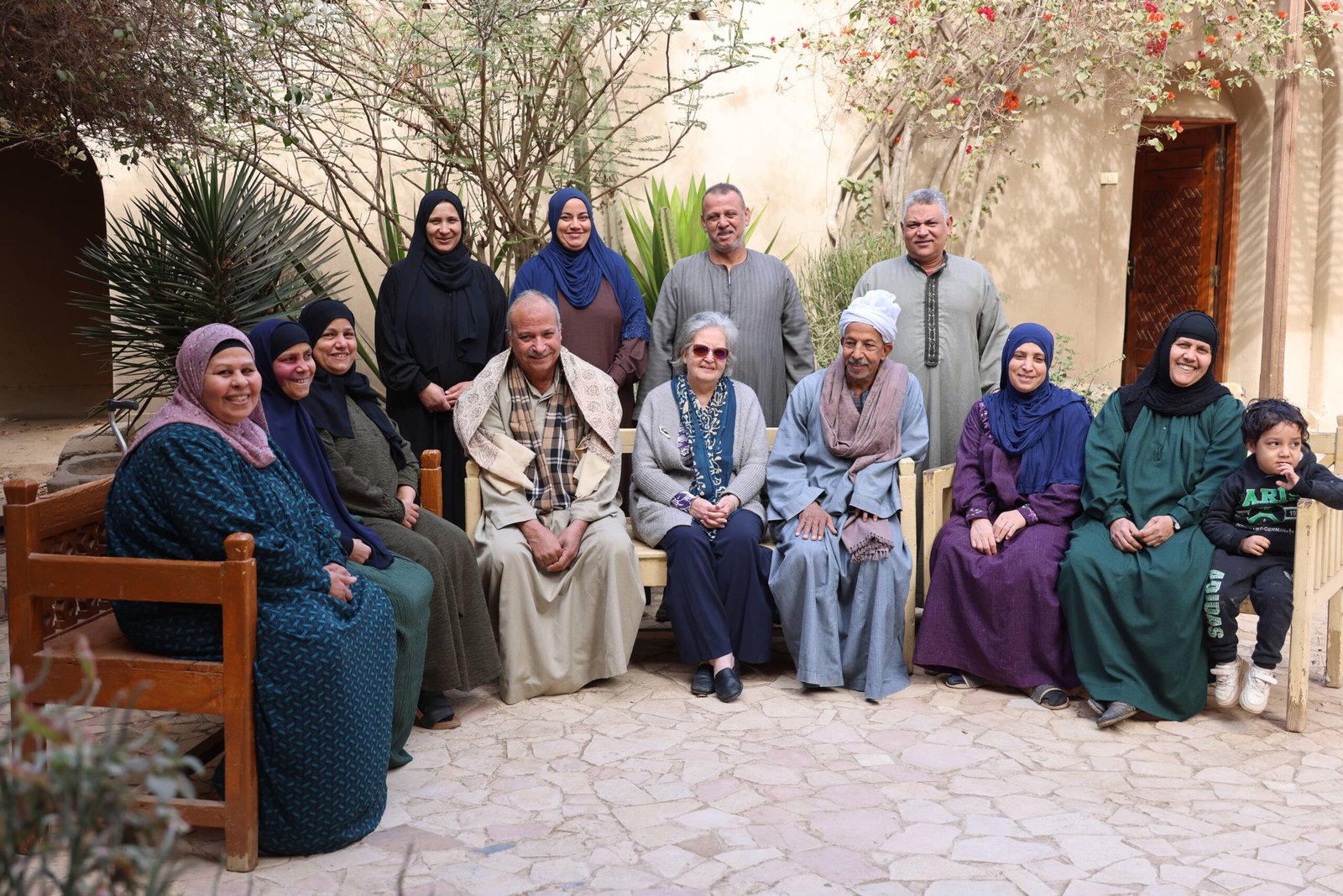
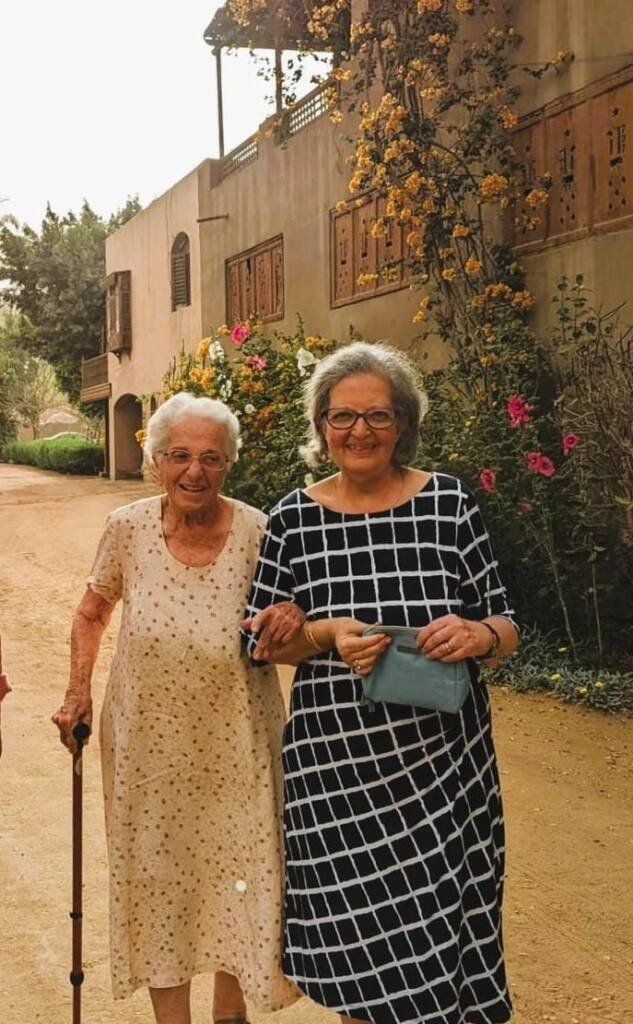
Following the passing of Ramses in 1974, the art center was overseen by Sophie Gorgi and Suzanne and Yoanna Wissa Wassef. Although Sophie passed away in 2025, her daughters continue to honour and sustain their parents' legacy; following the same teaching principles their father set down 73 years ago.
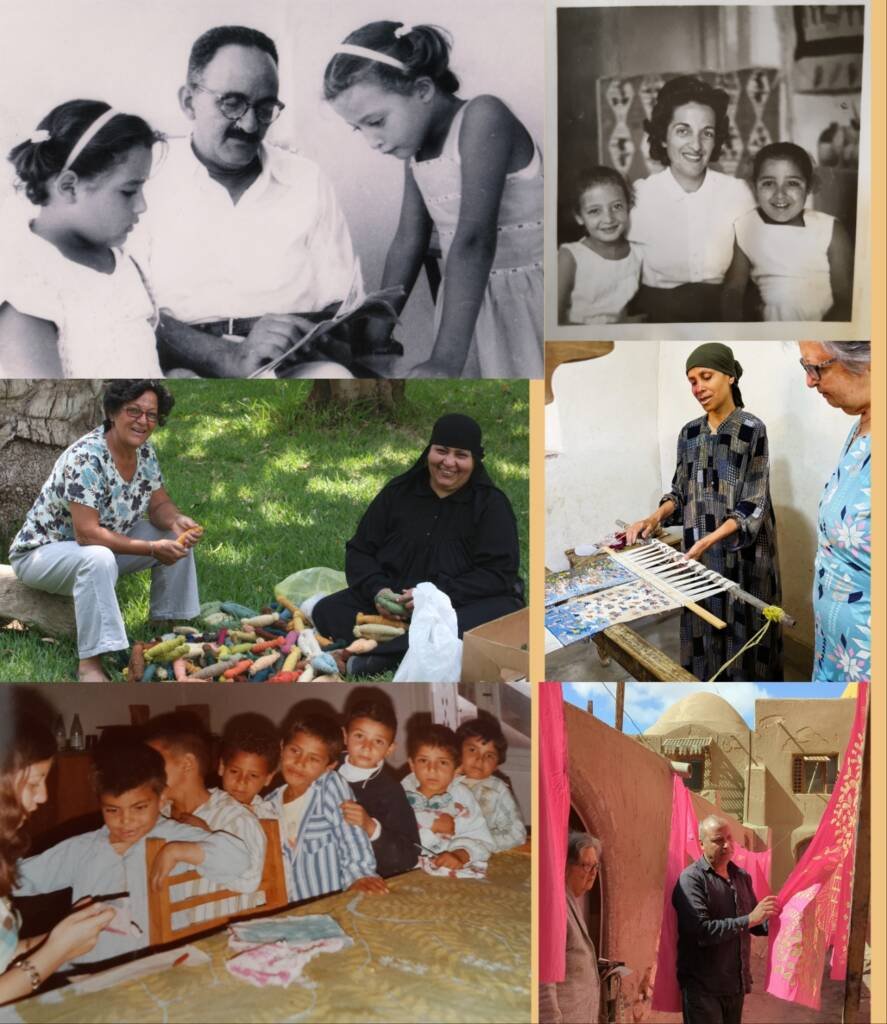
The same 3 golden rules Ramses established 73 years ago are followed Today. all 3 forms of artworks practiced at the center (Cotton tapestry weaving, Wool tapestry weaving, Batik art) follow these principles:
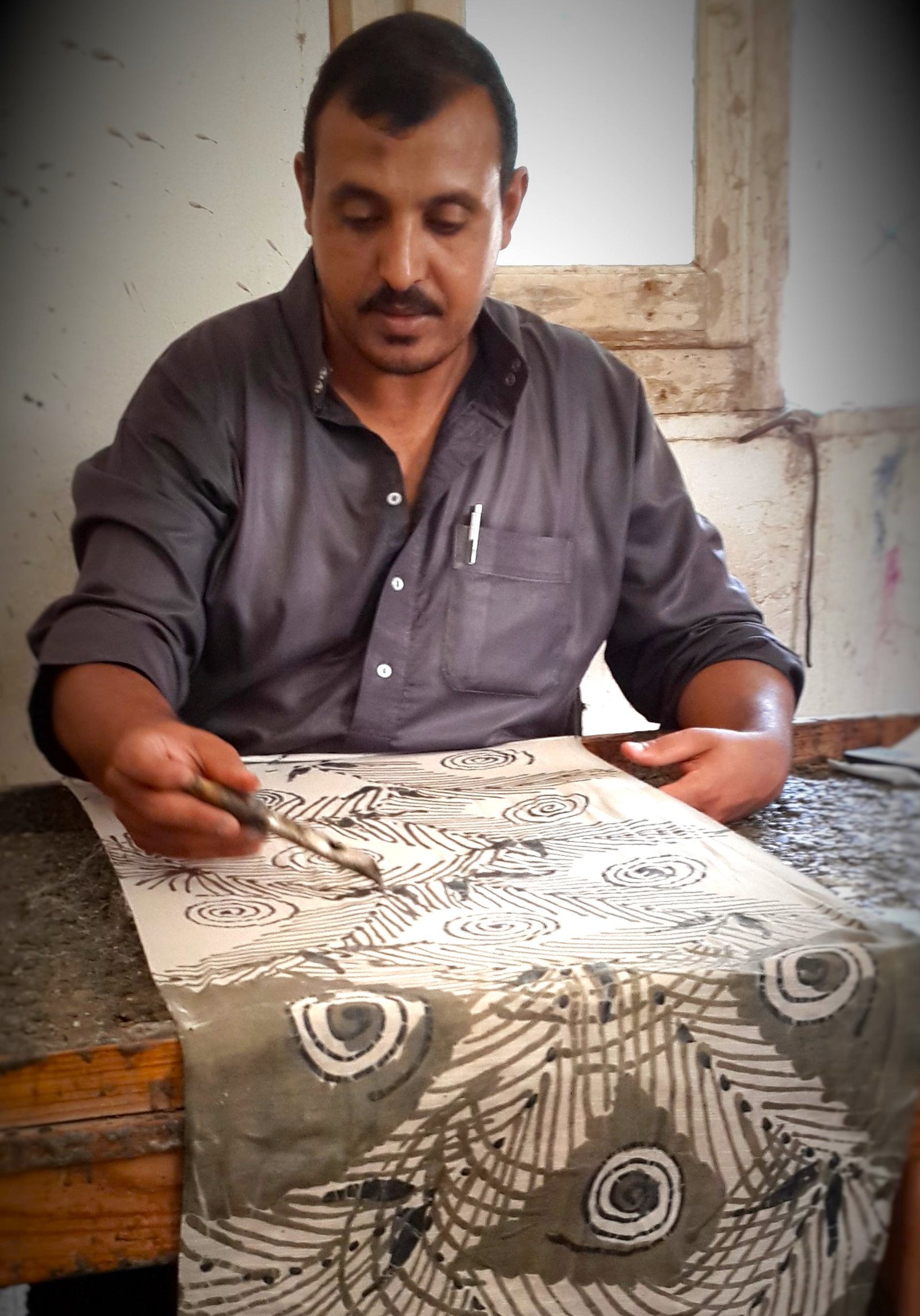
- Free hand only- No preliminary sketches: – to preserve the first raw emotion behind the artwork it must be created directly on the material without previous sketching, and to master the tools of the chosen artwork (the tjanting for batik & weaving on a loom for tapestry making)
- No copying of any kind:- To encourage the young artists confidence in his/her own expression and preserve the authenticity of the artwork
- No repetition/ Each artwork is unique:- to keep the challenge, that fuels the artists creativity, alive.
- When the artists were young, no adult criticism was allowed – to protect the child’s confidence in his own abilities to come up with solutions rather than confirm to pre-conceptions of adults’ views of how art “should” look like.
Yoanna Wissa Wassef (Y.W.W - b.1952)
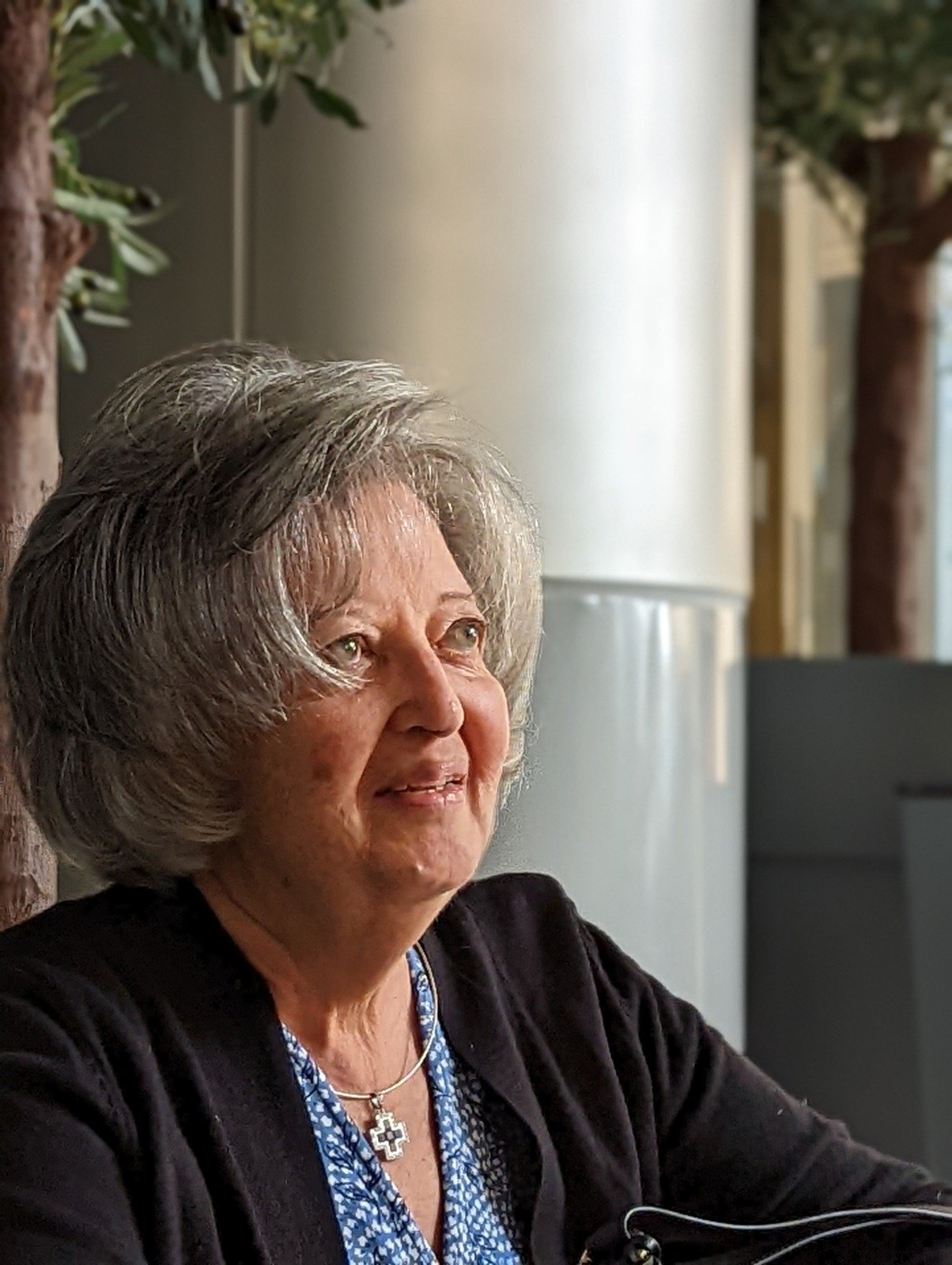
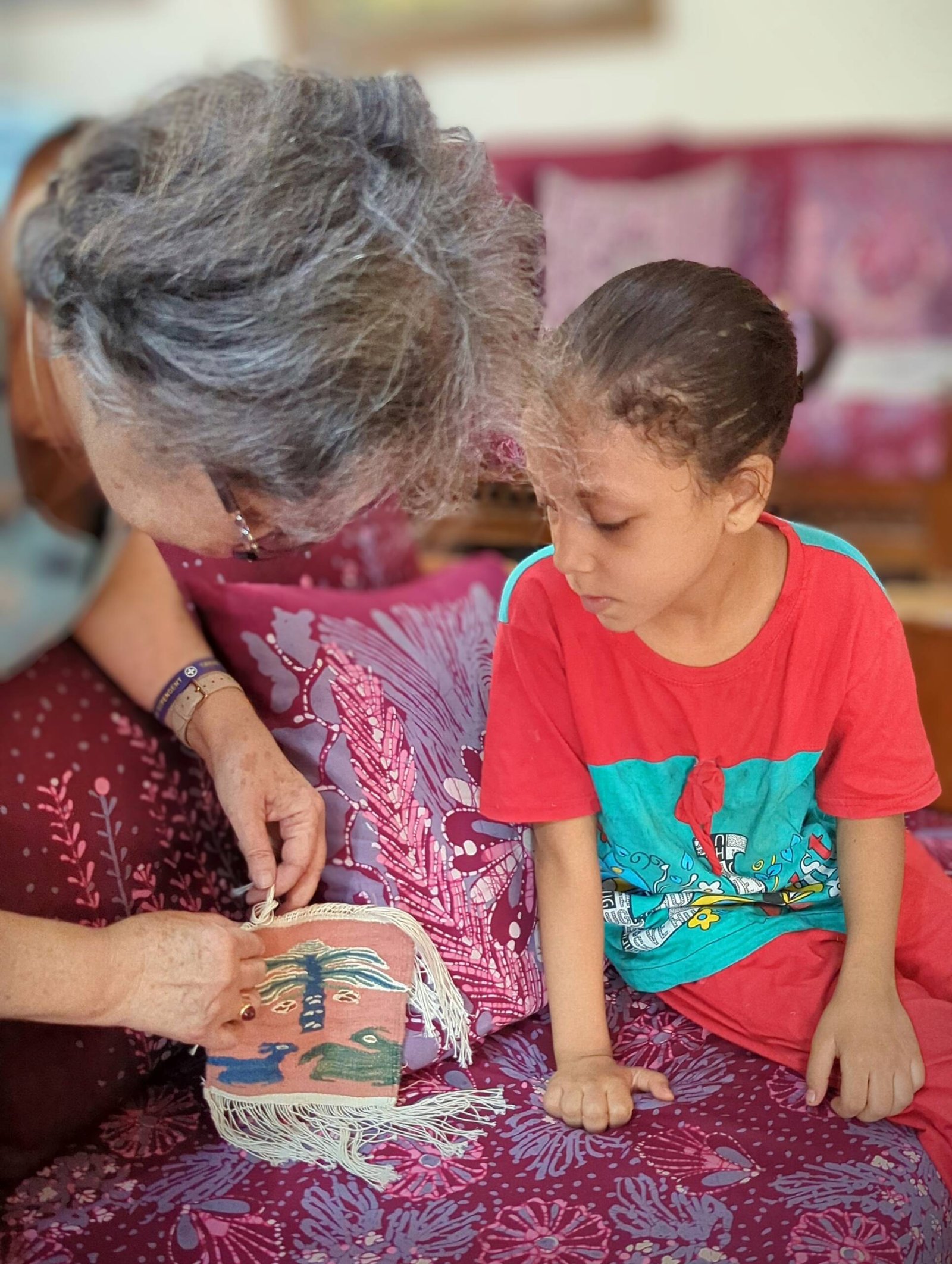
Yoanna, the younger daughter of Ramses and Sophie, Directs the fine-cotton tapestry weaving and Batik art groups of the art center, while her sister Suzanne directs the wool tapestry group
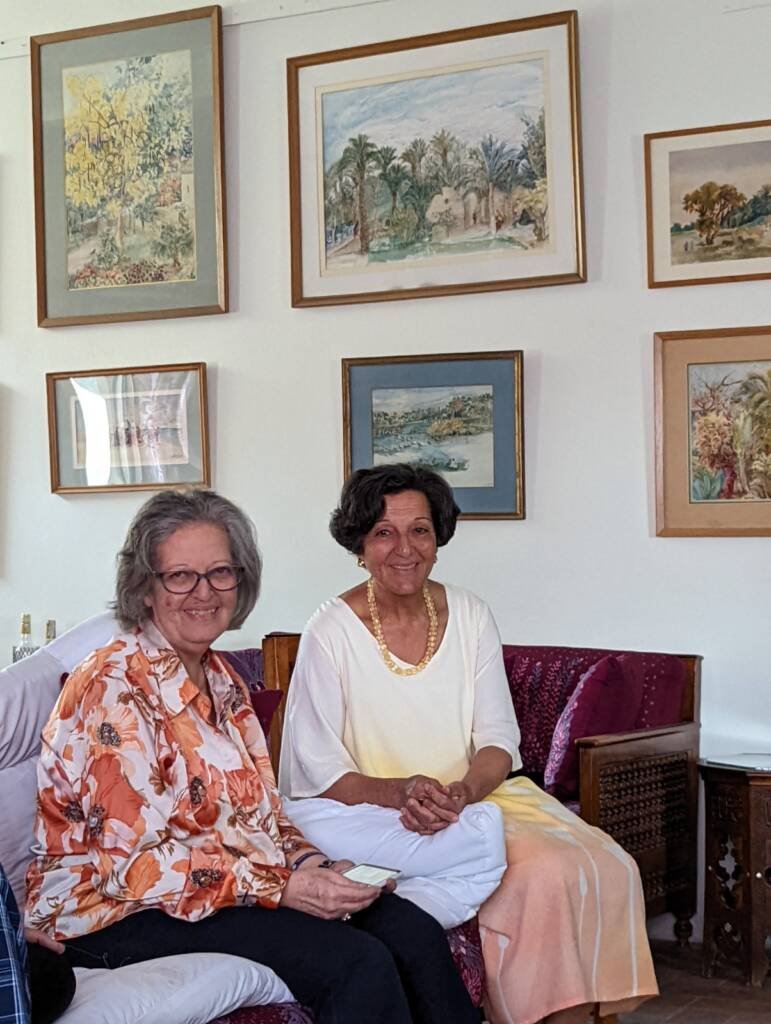
She studied French Literature at Cairo University, with aspirations to become a writer. The sudden loss of her father & best friend, redirected her ambitions to maintaining the art center with her mother and sister instead.
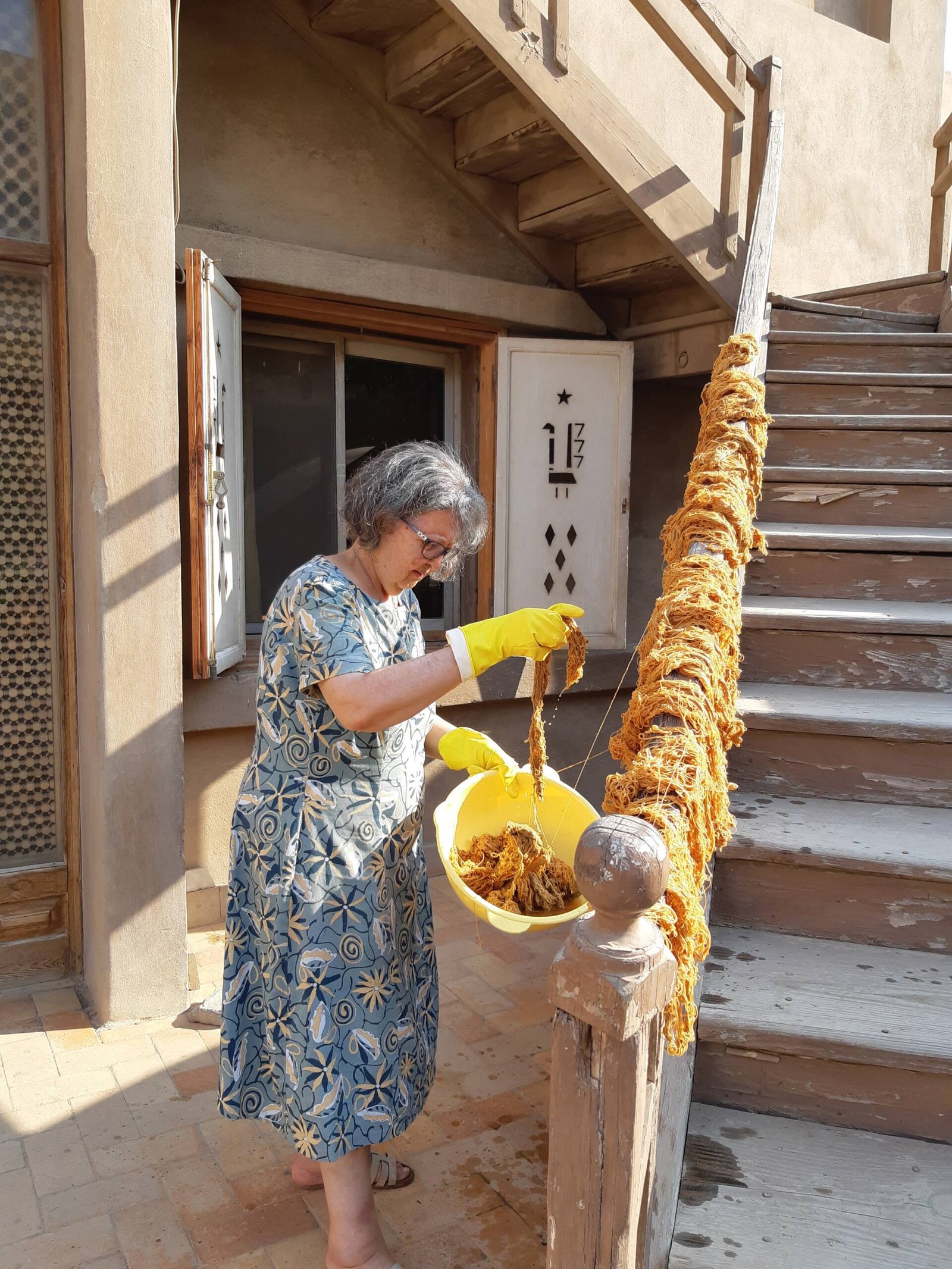
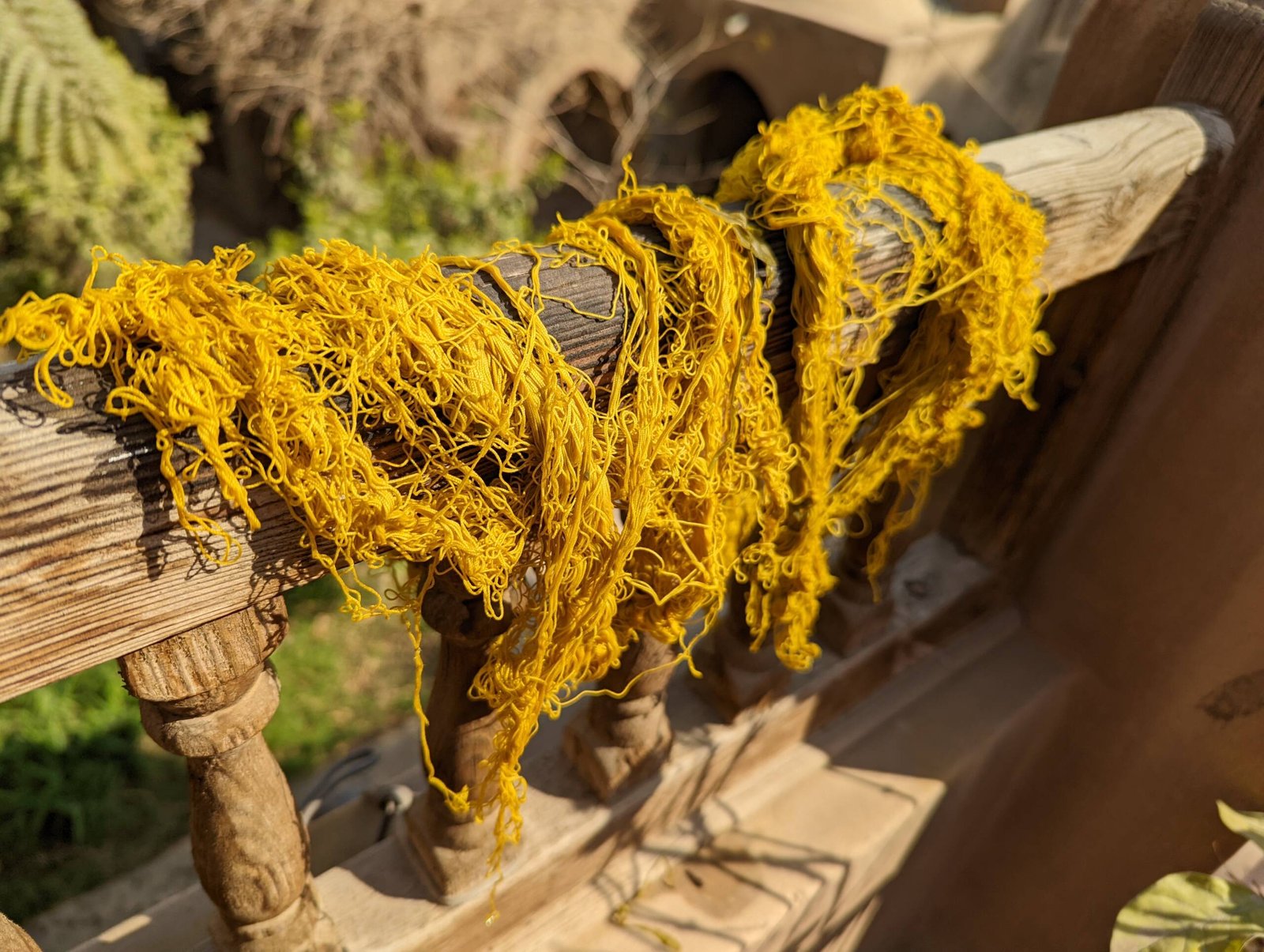
cotton proved to be challenging to get it to absorb natural dyes. each color takes 15 days to “take” to the fine threads and sometimes more. Despite this challenge, Yoanna provided the cotton weavers with enough variety of colours to allow them the design freedom they craved. through extensive researching and trial and errors. just as she did for the batik artists.
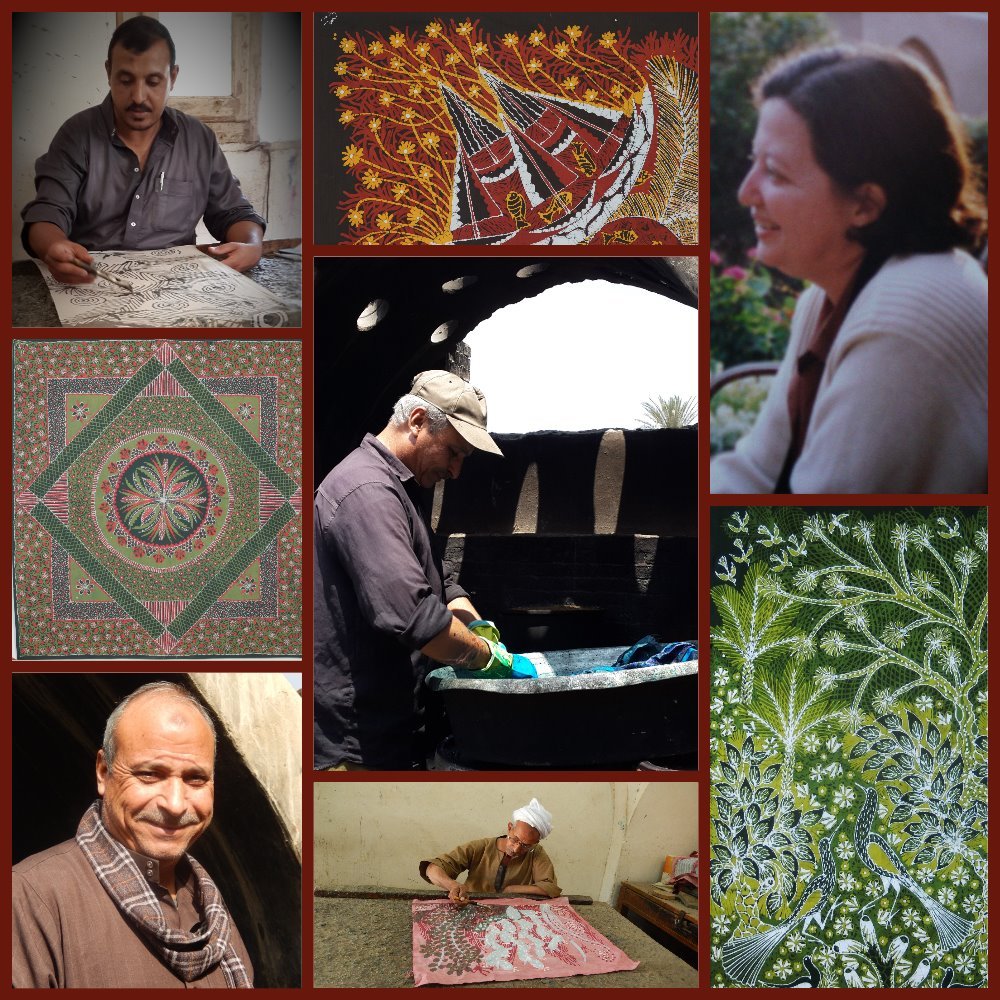
Since taking over the batik group in 1974, she expanded the color palette and encouraged the artists to explore various techniques. The result was a wider range of artistic styles and more colour play.
Since 1974 Yoanna has been directing young artists to uniquely produce the art she believes all human beings have in them; needing only the right guidance to express. She's always careful not to have her own personality imposed on the young artists' work, but simply becoming a guidance to them when they need it.
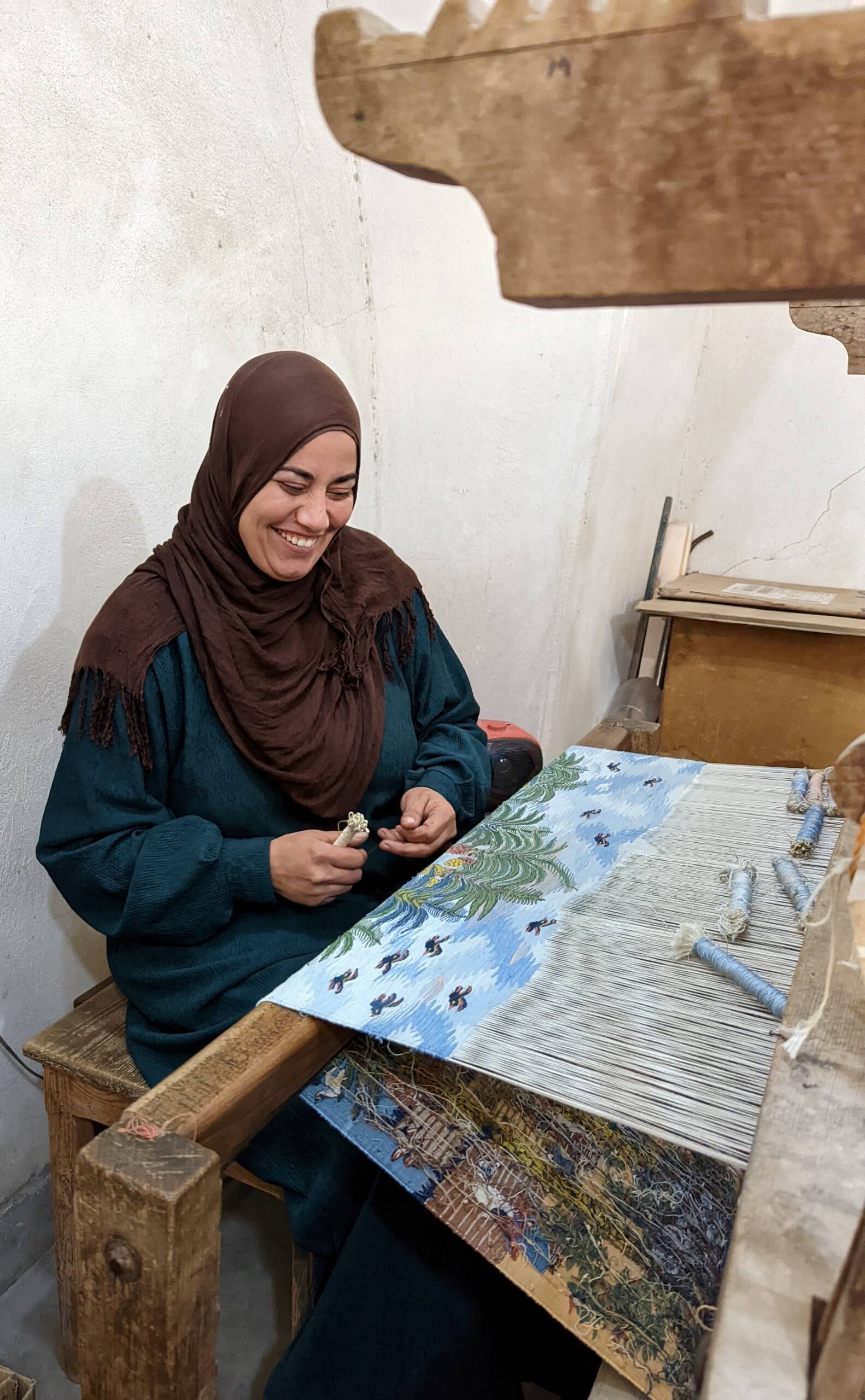
Fine-cotton weaving was introduced in 1963
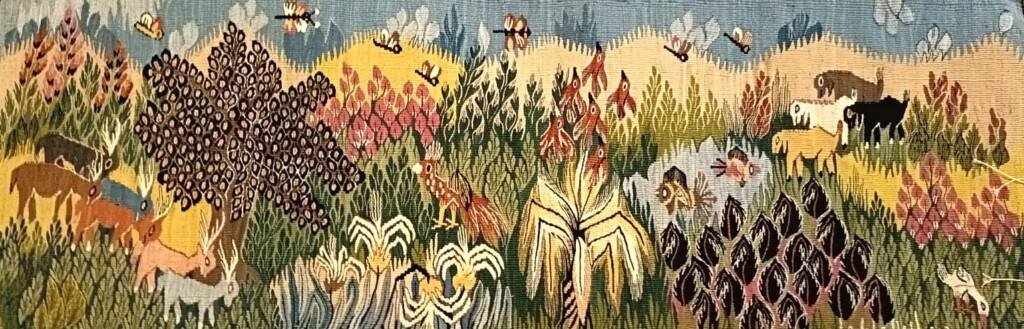
The craft of cotton weaving calls for different and intricate technical skills. The preparation of the threads taught the weavers the importance of teamwork among other life skills. the warp reel used to unwind the skynes requires several hands to work together . the setting up of the loom requires at least two persons to help in the process. This Necessity created a sense of community for the artists of the center as a whole.
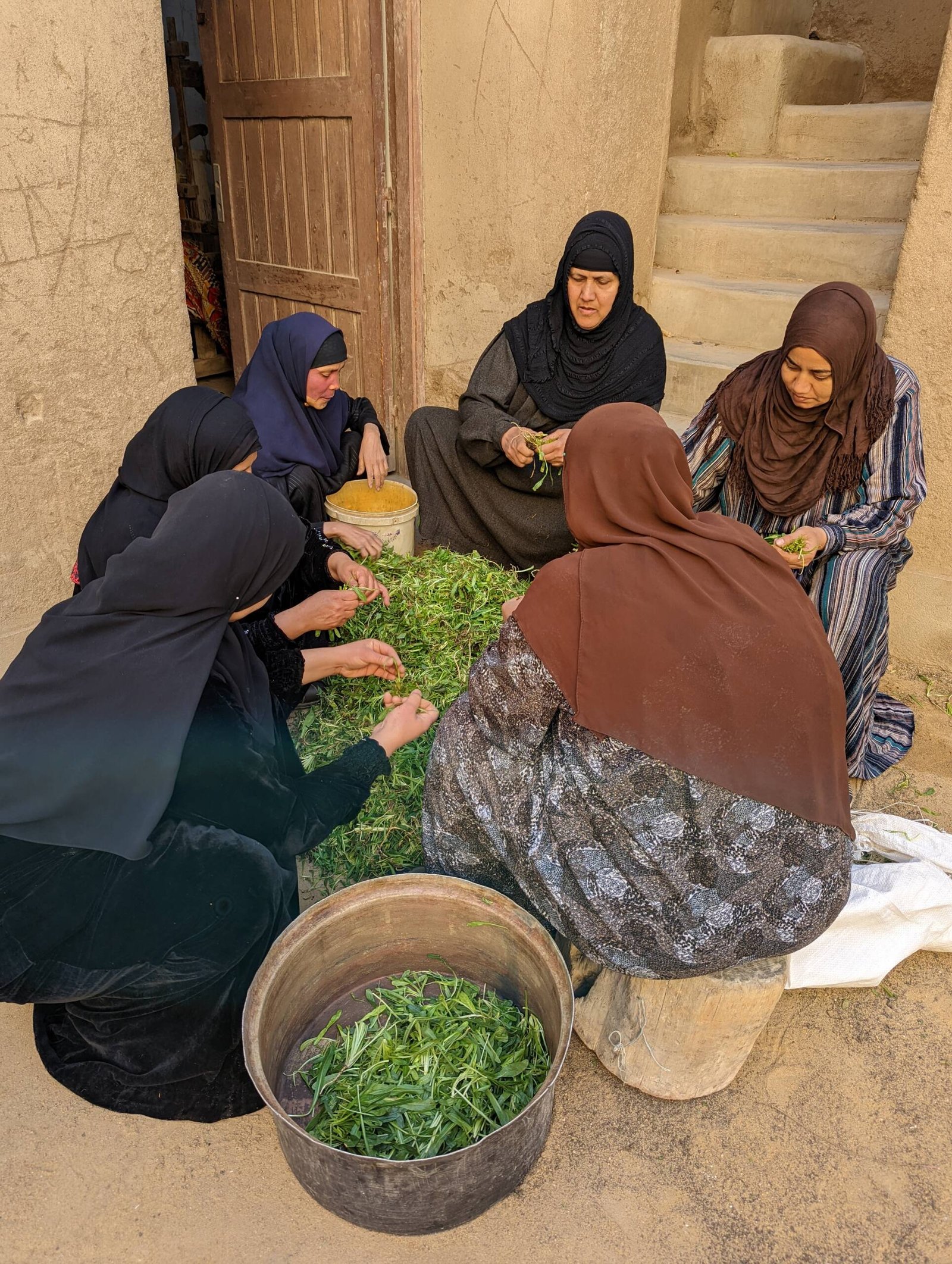
The cotton weaver sits at a horizontal loom using a foot pedal, to lift the warp threads, making it easier to pass the colour spools between them. Because the threads are so fine, the images take longer to appear, demanding great patience and persistence. Weaving is only the last of the stages of tapestry making. The preparations also include the natural dyeing process; beginning with sifting the dye plants, prepping the cotton threads, Cooking the dyes, then the actual dyeing begins. Each colour takes 15 days to be fully dyed and ready for weaving.
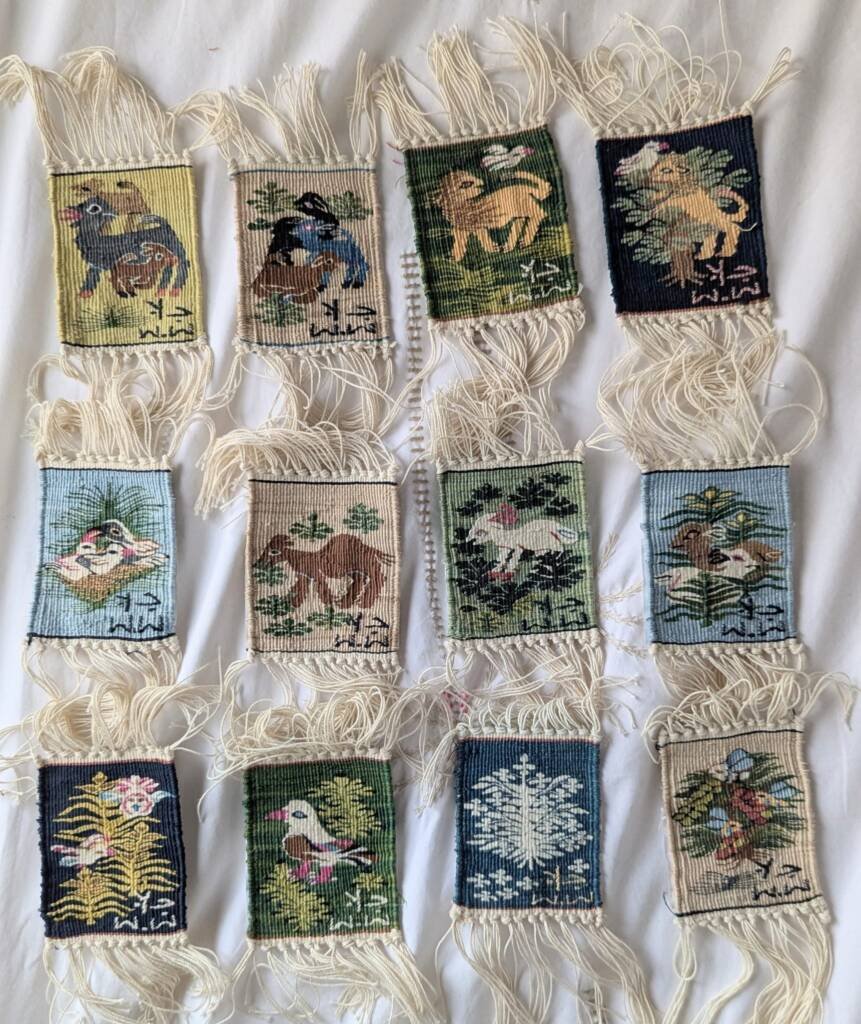
The smaller scale of these tapestries makes them exceptionally delicate and intricate. teasing the more refined artistic senses. Fine-cotton weaving is especially valuable for the art center as it is possibly the only centre in the world to use cotton to create tapestries instead of garments. Furthermore, it's Ramses' own invention. The fact that the cotton weavers' artwork is likened to their ancestors’ Ancient Egyptian Coptic textile art, was the unexpected bonus adding to its value.
BATIK- was introduced in the centre in 1965.
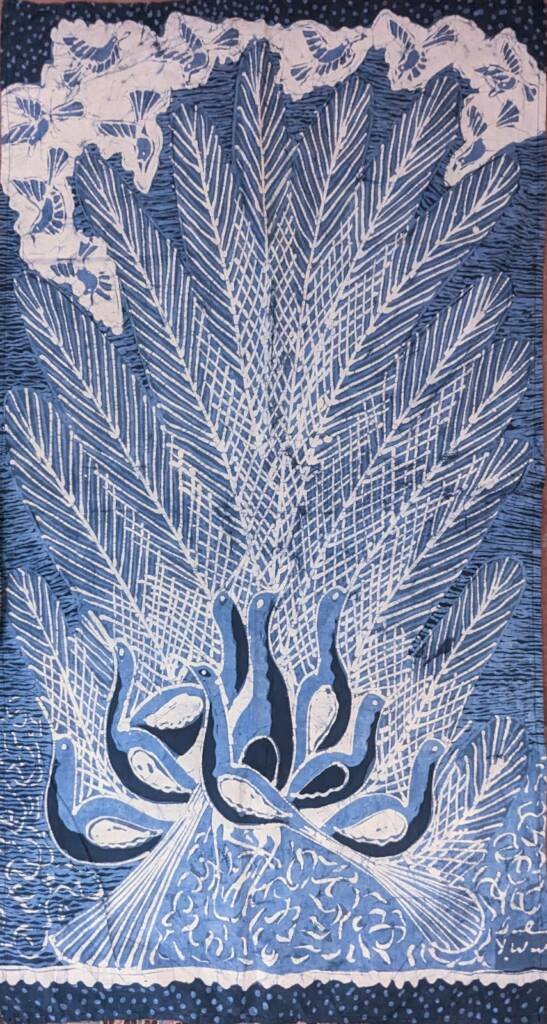
Batik offers a variety of uses such as, wall art, tablecloths, home accessories, attire and more. This was the initial reason behind introducing it to the artists in 1969. Because Ramses believed that art should not be restricted to wall space. In his own words he says:
“Art is condemned to be superfluous when it is separated from life...Objects produced by craftsmen in the thousands of years that followed [the stone age] retrace the history of civilisation.” R.W.W
Ramses chose to teach Batik art because He wanted to gauge children's reactions and offer them a different creative outlet to weaving. Thus providing them with various options for self-expression. Batik is a faster technique than weaving. Introducing it ensured no child was excluded from art creation. It suited children of different temperaments compared to the patience required for weaving.
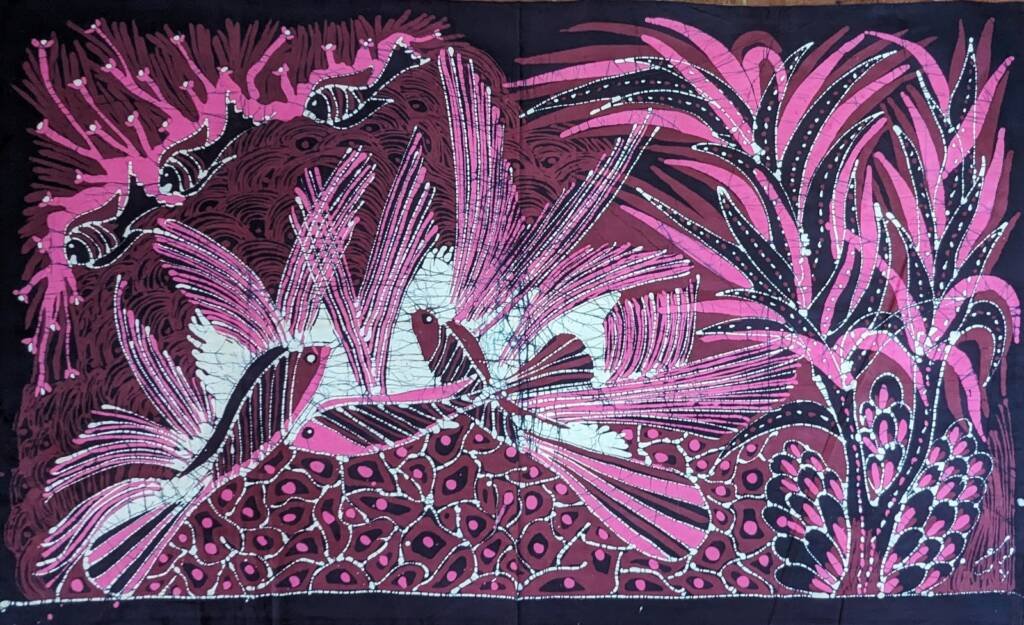
Initially therefore, the idea to introduce it to the Center was for its practicality. It was soon realised however, through the results of the children's Batik artworks, that they are capable of creating magnificent works of art, using any artistic methods or mediums, when given confidence and freedom.
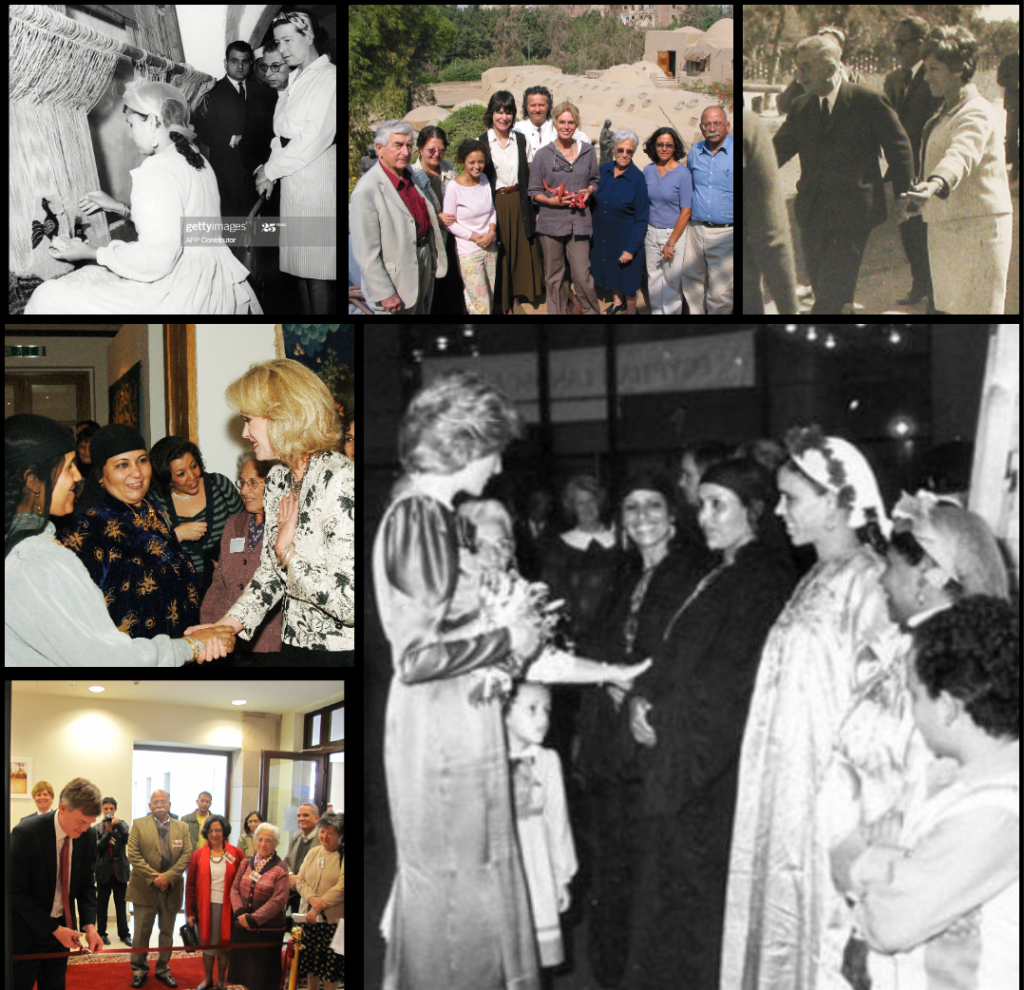
Today these artists and their children, are world Renowned for their art. Their creations are considered a national treasure , in all sense of the word.
The Method:
Yoanna WW Atelier's Batiks are free hand designs. painted with wax (not printed), on 100% Egyptian cotton- using fast dyes.
Batik is an old art where resin or wax is used to draw on material. When immersed in dye the wax covered area of the material does not absorb the colour. This process is used in Africa and the Far East. Ancient Egyptians also used a similar process to decorate material but it disappeared over the years.
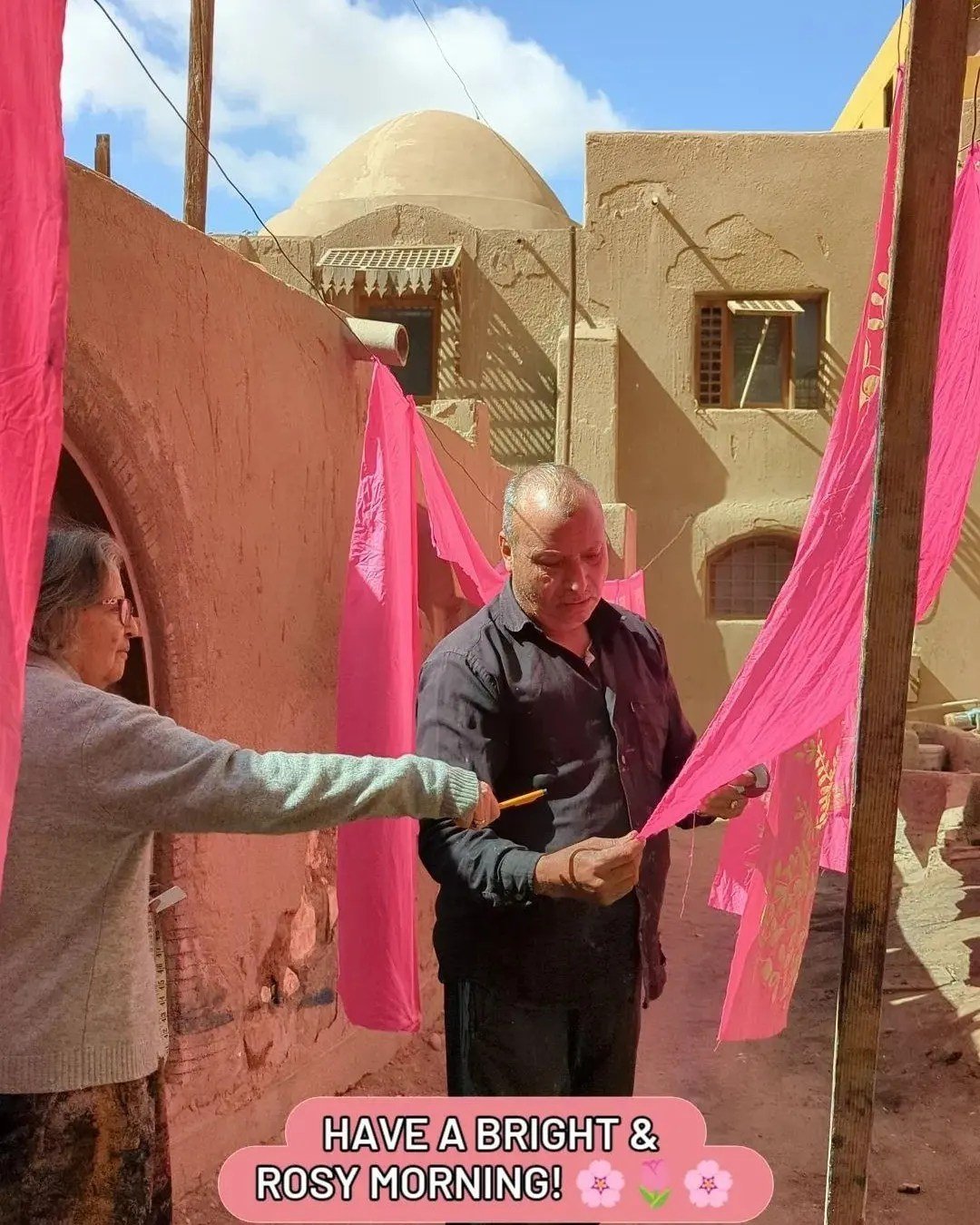
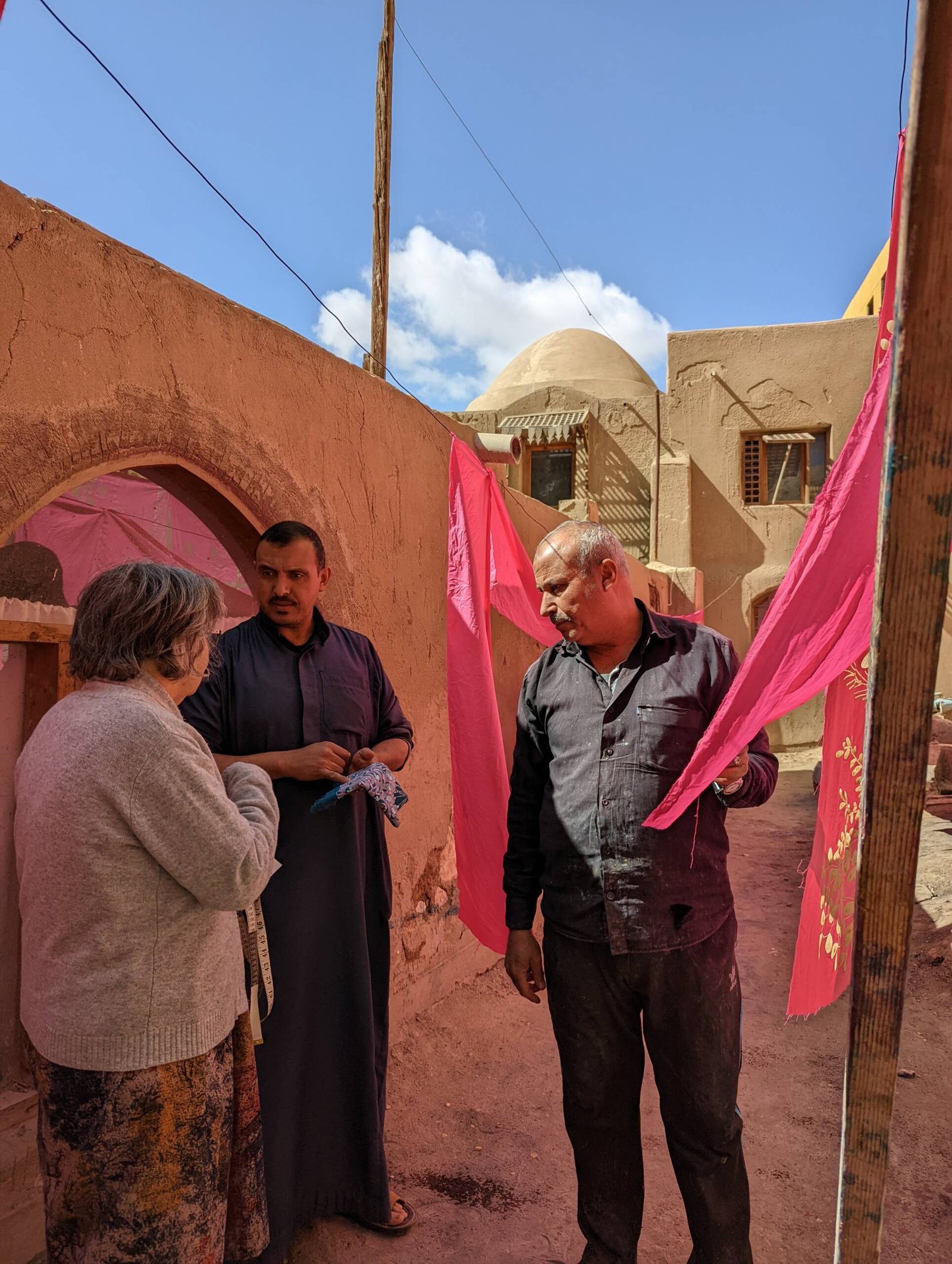
Batik requires the artist to prepare the design details in their mind. This must be done before starting to draw with the hot melting wax. The Wissa Wassef process involves first drawing directly with the wax, without pre-sketching. Then, the fabric is dyed, and the dyes are fixed. This process happens several times before all the wax layers are boiled off to reveal the completed design.
The art center's Batiks are not copied or drawn first. They are freehand designs that demand good coordination between the hand and mind. allowing no hesitation in the execution of the design. This builds a character that is sure, firm and confident in the artist himself.